Conservation
Where the Money Goes
CAWSF spends money on drinker builds, water hauls, guzzler repairs, population surveys, and other projects to benefit wild sheep in California. A vast majority of the conservation dollars raised goes into water projects in California’s deserts. Bighorn herds can only live where they can drink — so the chapter focuses money to build critical water systems that help Bighorns survive. These projects have had a measurable effect in increased bighorn sheep numbers in California. Join us today and make a difference for wild sheep in California!
Last financial year
What a Year Buys
The chapter’s Give a Lamb a Drink program funds these water systems. Every system below was paid for by the efforts of conservation organizations, generous donors, and amazing volunteers who drove hundreds of miles and camped out to do it.
- $385,000+
- raised in FY 2025/26
- 13
- water systems built since GALAD began
- ~$35,000
- to build one system
- 45–75
- bighorn supported by each system
On the ground
What Has Been Built
Every water system the Give a Lamb a Drink program has put in, newest first.
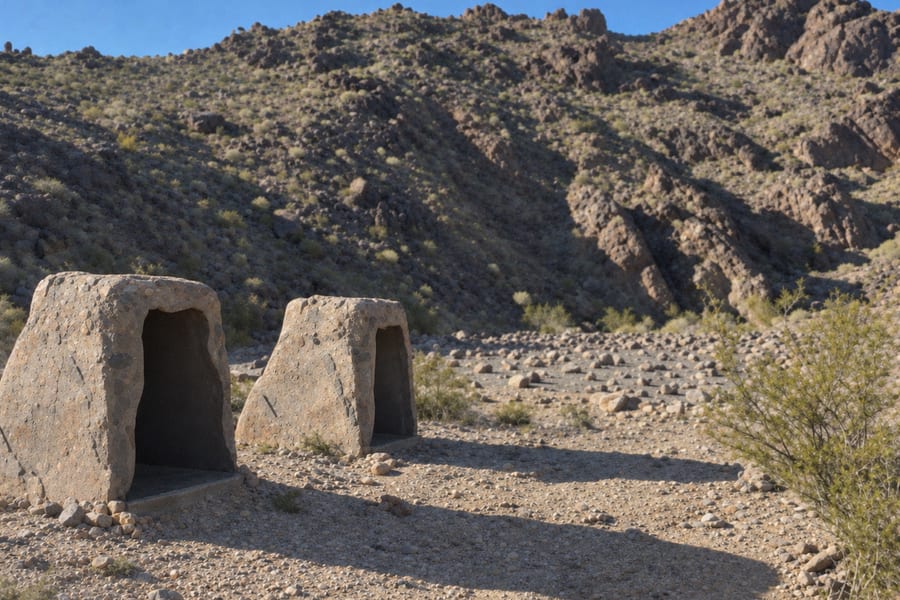
SL61South Soda MountainsSpring 2026
Blue Bell
Placed to do a job that does not exist yet. Brightline West will run high-speed rail along the Interstate 15 corridor behind twelve feet of chain link, which would end wildlife movement across the freeway entirely; the project has been required to build three crossings for wildlife in compensation. Blue Bell sits where it can draw bighorn toward one of them and into the South Soda Mountains. A burro exclosure fence went up in May.
Paid for in full by Give a Lamb a Drink.
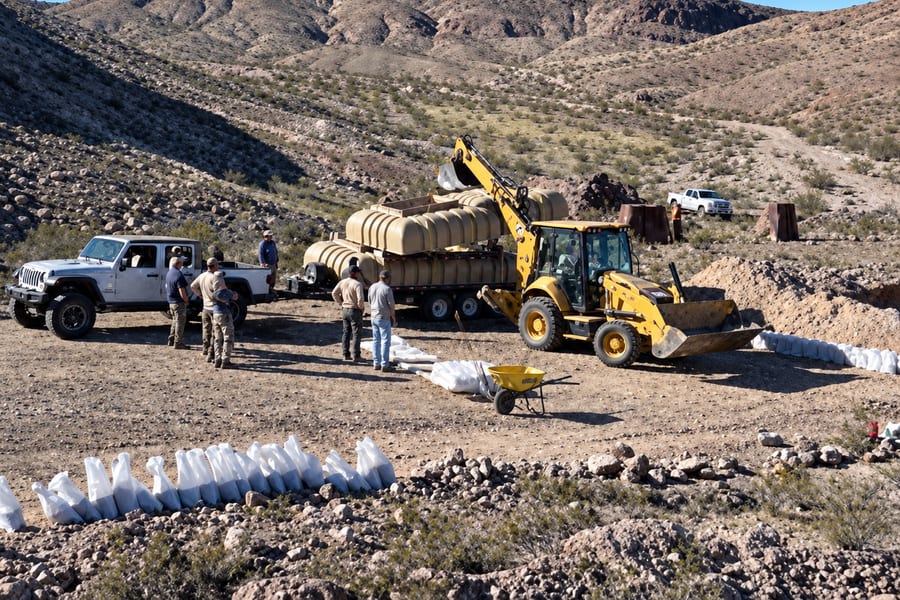
SL82Cady Mountains, Hunt Zone 9Winter 2025–26
Flat Top
Half again the usual size — three tanks holding 6,900 gallons rather than the normal two, with a rain mat enlarged to match and satellite monitoring so the water level can be read without a field trip. The herd here is big enough to need it. The site was chosen for its nearness to the heavily used Big Gee system and to Afton Canyon, where off-road traffic pushes sheep around. More than thirty volunteers built it.
Paid for in full by Give a Lamb a Drink.
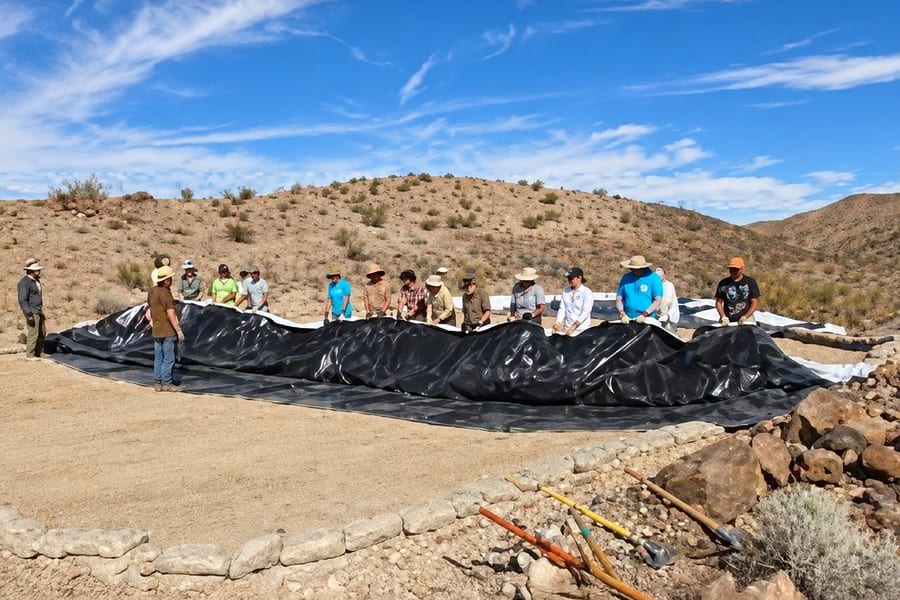
SL13North Bristol MountainsOctober 2025
Hawkeye
Named for the state mascot of the chapter that paid for it. The build nearly did not happen — the excavator operator’s trailer broke on the interstate before dawn and a smaller rental machine had to stand in — and it finished in the dark with about ten volunteers left. The southern end of the North Bristol range had no permanent water until this went in, which should let sheep spread away from the Hyten Tank system through the hot months.
Funded by the Iowa Chapter of the Wild Sheep Foundation.
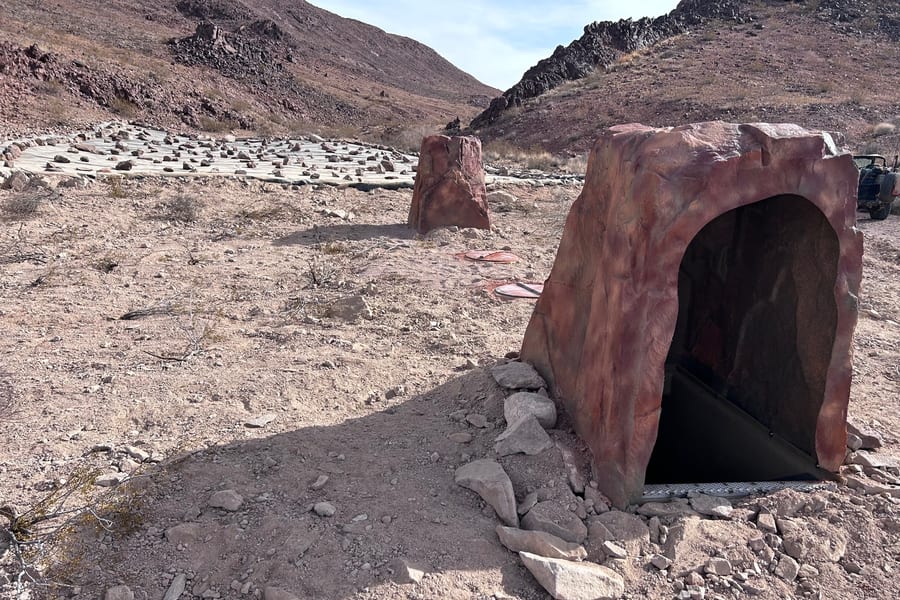
SL90South of Ludlow2025
Black Pearl
Not in a hunt zone, and deliberately so. Black Pearl adjoins the Twentynine Palms Marine Corps base, where a substantial bighorn population lives largely undisturbed. Reliable summer water here is intended to hold sheep on the range year round and to make the ground between the base and the country outside it worth crossing.
Paid for in full by Give a Lamb a Drink.
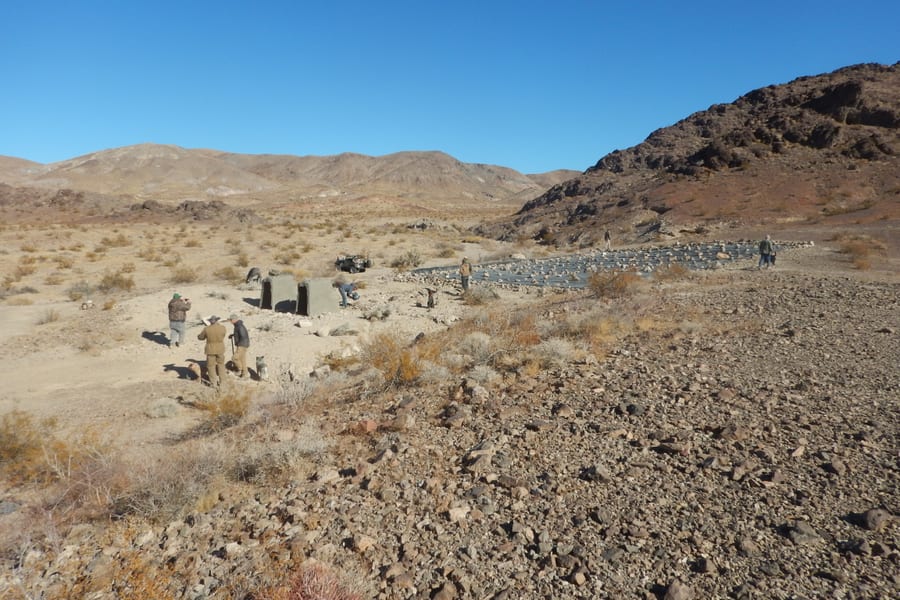
SL03South Bristol MountainsJanuary 2025
Lady Lu
The South Bristol hunt zone had exactly one natural water source. Lady Lu is the second, put in on ground that matters to rams. Water through the summer should let the herd spread out across the range rather than crowd what little there was, which lowers density and opens the country between neighboring herds.
Paid for in full by Give a Lamb a Drink.
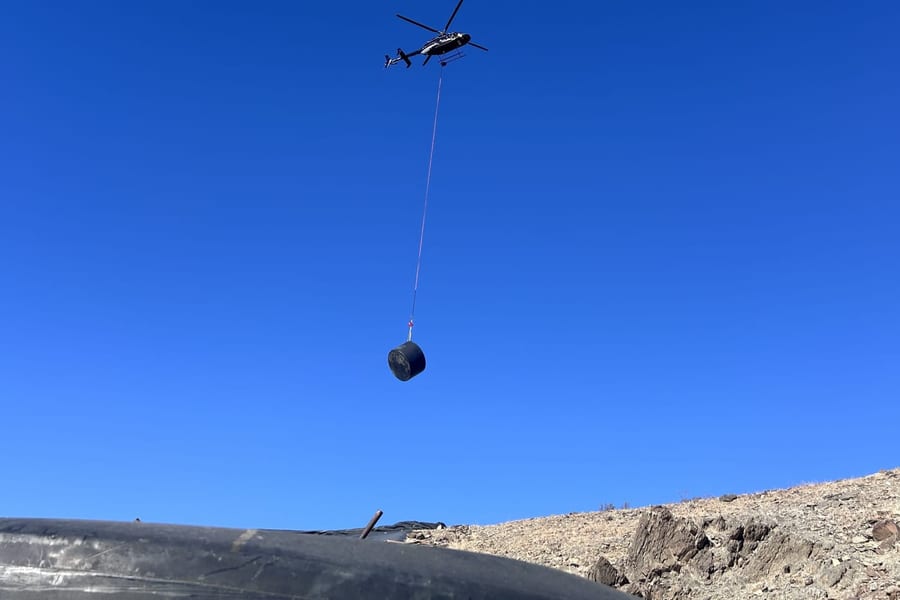
R10Orocopia MountainsDecember 2024Upgrade
Fay Dee Water Haul and Third Tank
A third tank, left in a wash below the site by an earlier project, was rigged and long-lined up to Fay Dee by helicopter, then the whole system was refilled by Bambi Bucket in a strong ground wind. Chapter volunteers worked alongside partner groups and Department of Fish and Wildlife crews, split between a landing zone team, a rigging team and a team on the guzzler itself.
The stock tank, the helicopter rigging and the water pump were all bought with chapter money. Worked with the Society for the Conservation of Bighorn Sheep, Desert Wildlife Unlimited and the Department of Fish and Wildlife.
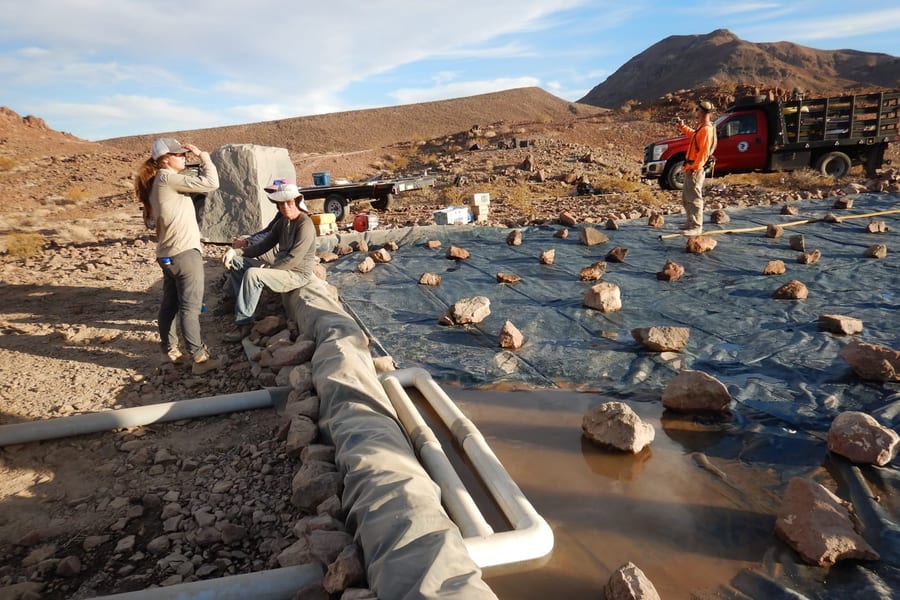
SL15Cady Mountains, Hunt Zone 9October 2024
Aurora
The first wildlife water system ever built on leased State Lands in the California desert, and the end of more than ten years of groundwork. Thirty people put it in — chapter members, partner volunteers and Department of Fish and Wildlife crew — with an excavator brought in at cost. It went on the historically dry side of the range. A trail camera left at the site recorded the first arrivals — a ewe and a newborn lamb — and lactating ewes kept using it until the winter rains came.
Paid for in full by Give a Lamb a Drink, with the excavation donated at well below cost by Diversified Excavating.
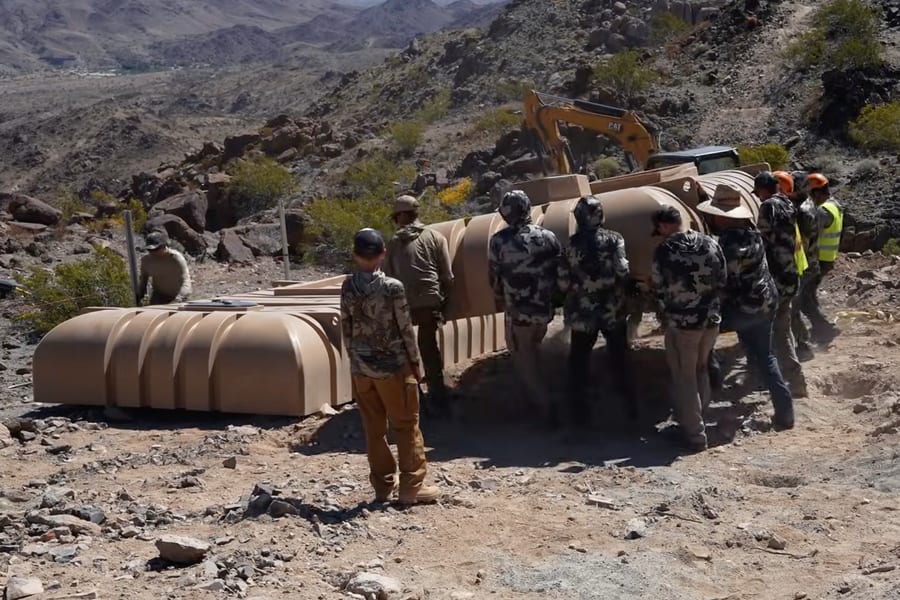
Chuckwalla MountainsApril 2024
Kuiu Gulch
Ten thousand gallons, the largest catchment the program has put in, on a corridor between neighboring herds that had no water at all. The sheet metal apron feeds a gutter that runs into buried tanks, all plumbed together so they fill to the same level and the open drinker never empties. It was holding nearly 2,600 gallons by the following winter, having taken 600 of those in a fortnight of rain.
Everything from the land to the tanks was paid for by KUIU’s Conservation Direct program, built with the chapter under Give a Lamb a Drink.
Coming up
The Next Six
Each of these is a two or three day build, and every one of them needs volunteers. No experience required — the crews will put you to work.
23–25 October
Big GeeRebuild
Cady Mountains, Hunt Zone 9
11–13 December
PP04Casabier
Providence, Woods and Hackberry Mountains, Hunt Zone 12On private ground
8–10 January
SL74North Sacramentos
No hunt zone
19–21 February
SL04Lava Hills
South Bristol Mountains, Hunt Zone 8
19–21 March
BearclawRebuild
Sheep Hole Mountains, Hunt Zone 6
9–11 April
SL75Peachey
Castle Mountains and Paiute Range, Hunt Unit 13Sponsored by Eastern Chapter WSF
Beyond the tanks
Ranges, Science and the Room Where It Starts
Water is most of the work, but it is not all of it.
Keeping the ranges connected
Desert bighorn move between ranges, and roads and rail cut those movements. The chapter is tracking the Brightline West high-speed rail project along Interstate 15 and pressing the case for wildlife overcrossings, including two proposed in the Morongo Basin. California has one wildlife crossing at present, and it was built for mountain lions.
Keeping the old systems alive
A guzzler is only as good as its last repair. Alongside the new builds there is a continuous round of rebuilds, water hauls and satellite monitoring across the older systems — Sheep Hole, Little Fargo, Sky Valley, Old Dads — often a hot shot crew hiking in to chase a leak that a telemetry graph found first.
The Sheep Summit
Two summits were held in FY 2025/26, the twentieth year of them. They put the Department of Fish and Wildlife, federal land managers, the military bases, biologists and volunteer groups in one room, which is where most of the water projects on this page started.
Science and monitoring
The chapter put $6,900 into genotyping samples taken during desert bighorn captures in southeastern California, alongside $500 from Desert Wildlife Unlimited, and the Epps laboratory at Oregon State University did the work. That and continuing survey work with the Department of Fish and Wildlife tell the chapter which herds are connected, which are isolated, and where water would do the most good.
Done with
- Society for the Conservation of Bighorn Sheep
- California Department of Fish and Wildlife
- Desert Wildlife Unlimited
- Eastern Chapter WSF
- Iowa Chapter WSF
- KUIU Conservation Direct
- Oregon State University
Help build the next one
One System, Thirty Volunteers, $35,000
That is what it takes, and it is entirely member money. Joining the chapter or giving to the water program is what puts the next tank on the mountain.